English
 Dutch
Dutch Japanese
 Korean
 Chinese
 Senegal
  Zimbabwe
  Ghana
Ghana  Morocco
  South Africa
  Madagascar
  Indonesia
  Philippines
  Hanoi, Vietnam
  Turkey
  Singapore
  Malaysia
  Greece
  United Kingdom
  Germany
  Portugal
  Netherlands
  Romania
  Jordan
  Qatar
Qatar  Oman
Oman  Saudi Arabia
  Arab Emirates
  Mexico
  Canada
  Jamaica
  United States
  P. New Guinea
  Nauru
Nauru  New Zealand
  Palau
Palau  Australia

Escape to the World’s Breathtaking Islands.
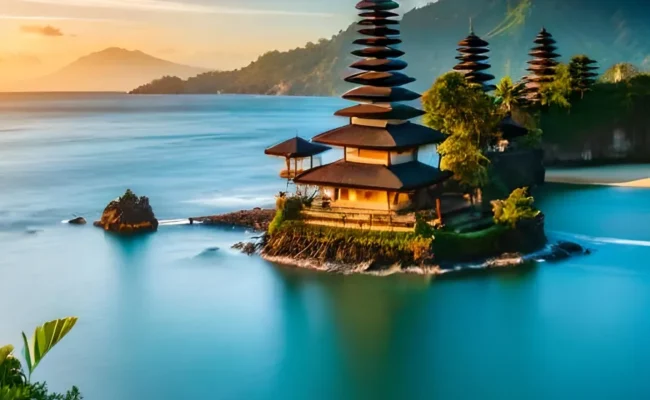
Escape to the World’s Most Breathtaking Islands and immerse yourself in paradise.



Hiking and trekking cover a wide range of difficulty — from a half-day trail to a multi-week high-altitude trek. Here is where to go depending on what you’re ready for.
Well-marked trails, mountain huts for overnight stays, and cable cars that let you shorten or extend a route depending on fitness and time.
Patagonia’s multi-day “W” and full circuit treks combine granite towers, glaciers, and exposed weather that demands proper gear and preparation.
A roughly two-week round trip through Sherpa villages at altitudes over 5,000 meters — physically demanding, but does not require technical climbing skills.
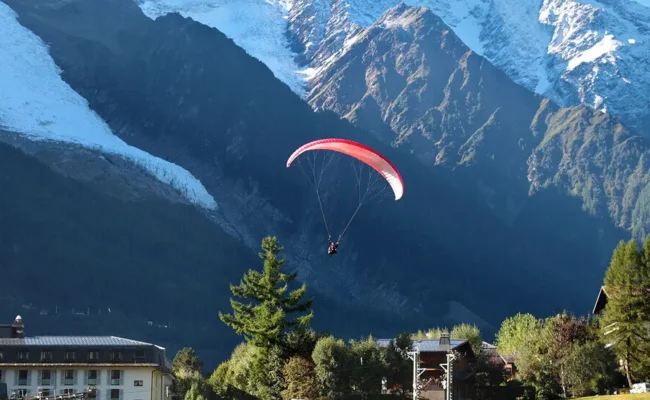
Many of these regions pair naturally with additional adrenaline activities — paragliding in the Alps, ice trekking in Patagonia, or via ferrata routes in the Dolomites — for travelers who want more than the trek itself.
A curated list of the most popular travel packages based on different destinations.
Escape to the World’s Most Breathtaking Islands and immerse yourself in paradise.
Discover the best mountain getaways for nature lovers, where breathtaking landscapes.