English
 Dutch
Dutch Japanese
 Korean
 Chinese
 Senegal
  Zimbabwe
  Ghana
Ghana  Morocco
  South Africa
  Madagascar
  Indonesia
  Philippines
  Hanoi, Vietnam
  Turkey
  Singapore
  Malaysia
  Greece
  United Kingdom
  Germany
  Portugal
  Netherlands
  Romania
  Jordan
  Qatar
Qatar  Oman
Oman  Saudi Arabia
  Arab Emirates
  Mexico
  Canada
  Jamaica
  United States
  P. New Guinea
  Nauru
Nauru  New Zealand
  Palau
Palau  Australia


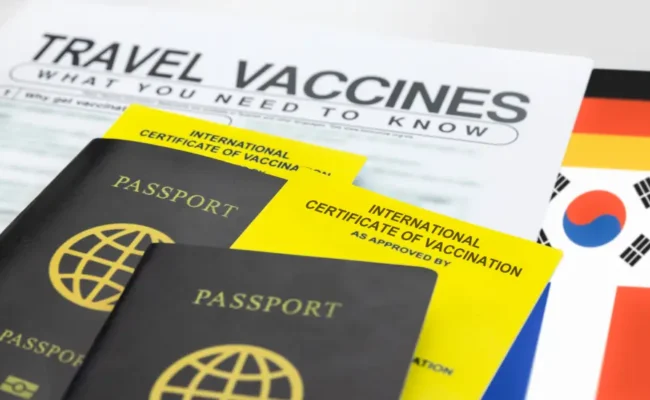
Step-by-Step Guide to a Hassle-Free Visa Application.
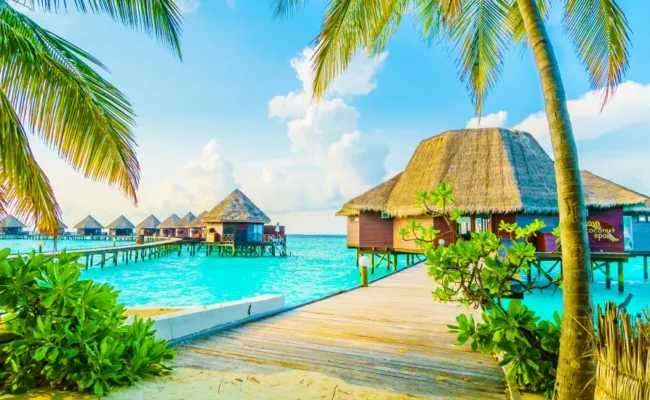
Escape to the World’s Most Breathtaking Islands and immerse yourself in paradise.



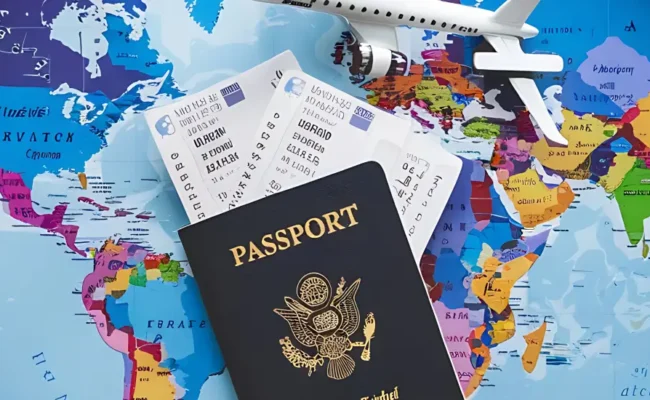
If you have never applied for a visa before, the terminology alone can be confusing. Here are the basics before you start.
A visa is permission from a country to enter, stay for a set period, and (depending on type) work or study there. It is separate from your passport, which simply proves your identity and nationality.
Your nationality is the biggest factor — some passport holders get visa-free entry or visa-on-arrival where others need a full application. The destination country, purpose of travel, and length of stay all change the document list too.
Passport, photos, application form, proof of funds, travel insurance, and an itinerary or invitation letter cover most applications. Work and student visas add sponsorship or admission letters.
The most common first-timer mistake is assuming every visa works the same way. It doesn’t — always check the specific requirements for your nationality and destination before booking travel.
A curated list of the most popular travel packages based on different destinations.
Escape to the World’s Most Breathtaking Islands and immerse yourself in paradise.
Escape to the World’s Most Breathtaking Islands and immerse yourself in paradise.
Escape to the World’s Most Breathtaking Islands and immerse yourself in paradise.