English
 Dutch
Dutch Japanese
 Korean
 Chinese
 Senegal
  Zimbabwe
  Ghana
Ghana  Morocco
  South Africa
  Madagascar
  Indonesia
  Philippines
  Hanoi, Vietnam
  Turkey
  Singapore
  Malaysia
  Greece
  United Kingdom
  Germany
  Portugal
  Netherlands
  Romania
  Jordan
  Qatar
Qatar  Oman
Oman  Saudi Arabia
  Arab Emirates
  Mexico
  Canada
  Jamaica
  United States
  P. New Guinea
  Nauru
Nauru  New Zealand
  Palau
Palau  Australia


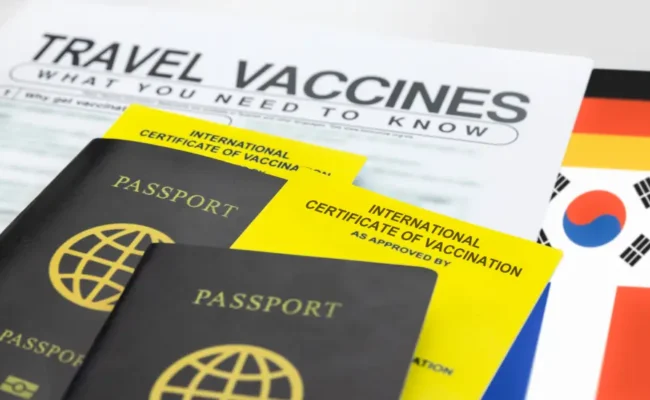
Step-by-Step Guide to a Hassle-Free Visa Application.
Escape to the World’s Most Breathtaking Islands and immerse yourself in paradise.



Work visa routes differ significantly between the USA, Canada, and Europe, and knowing the right path before you start saves months of wasted effort.
Most foreign workers need employer sponsorship. The H-1B (specialty occupations) is capped and allocated by lottery each year, while the L-1 covers intracompany transfers. A confirmed job offer is required before any visa process starts.
Canada offers more routes: employer-specific work permits tied to a Labour Market Impact Assessment (LMIA), and the Express Entry system, which can lead to permanent residency rather than just a temporary permit. Canada is generally considered more predictable than the US lottery system.
There is no single “Europe visa” for work — each country issues its own national work visa, though the EU Blue Card offers a standardized route for skilled workers across most EU member states. Germany and the Netherlands are among the more accessible entry points for skilled applicants.
Prabesh Group works through these employer-sponsorship and documentation requirements directly with applicants, since the paperwork differs meaningfully country to country.
A curated list of the most popular travel packages based on different destinations.
Escape to the World’s Most Breathtaking Islands and immerse yourself in paradise.
Escape to the World’s Most Breathtaking Islands and immerse yourself in paradise.
Escape to the World’s Most Breathtaking Islands and immerse yourself in paradise.